
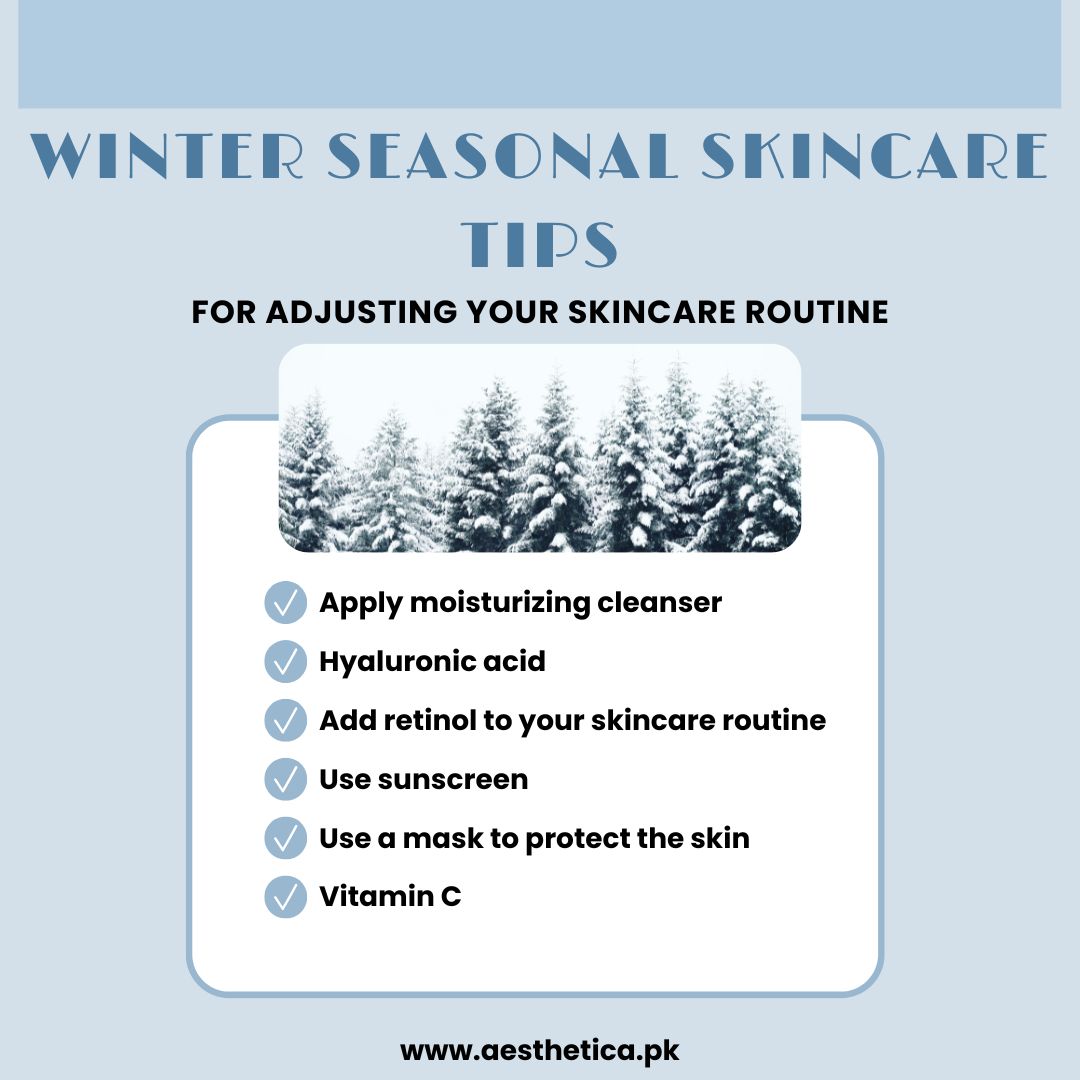
As the weather gradually shifts from warm, humid summers to cooler, drier winter months, your skin quietly begins to change its behavior. What once felt light, fresh, and perfectly balanced may suddenly feel insufficient—leaving your skin tight, dull, or unusually sensitive. These changes are not sudden flaws; they are your skin’s natural response to environmental stress.
Luxury winter seasonal skincare is not about using more products—it is about using the right products, at the right time, with intention. A winter seasonal skincare transition is a refined ritual that respects the skin barrier, prioritizes hydration, and adapts intelligently to climate changes. In this in-depth guide, we’ll explore how to transition your skincare routine from summer to winter with a focus on ingredient intelligence, barrier repair, and Pakistan’s unique climate conditions, ensuring your skin remains healthy, resilient, and luminous throughout the colder months.
Understanding Seasonal Skin Changes in Pakistan
Pakistan’s climate plays a significant role in how our skin behaves. Long, intense summers marked by heat, humidity, sweat, and pollution are often followed by dry winters, particularly in regions such as Lahore, Islamabad, Faisalabad, Rawalpindi, and Peshawar. The drop in humidity, combined with indoor heating, hot showers, and cold winds, accelerates moisture loss and weakens the skin’s protective barrier.
As a result, even those with oily or acne-prone skin may experience dehydration and sensitivity in winter.
Common winter skin concerns in Pakistan include:
- Persistent dryness and visible flaking
- Tightness or discomfort after cleansing
- Redness, irritation, or itching
- Dull, uneven-looking skin
- Dehydration despite excess oil production
Understanding these seasonal changes allows you to refine your winter seasonal skincare routine thoughtfully rather than reacting with harsh or excessive treatments.
Step 1: Elevate Your Cleansing Ritual – Winter Seasonal Skincare
From Oil Control to Barrier Protection
During summer, foaming or oil-control cleansers help manage sweat and excess sebum. However, continuing these formulas into winter can strip the skin of its natural oils, disrupting the skin barrier and leading to dryness and sensitivity.
The Luxury Cleansing Approach
In winter, cleansing should feel comforting—not harsh. Choose gentle, hydrating cleansers that cleanse effectively while preserving the skin’s natural lipid balance.
Look for refined ingredients such as:
- Glycerin for deep, lasting hydration
- Ceramides to strengthen the skin barrier
- Aloe vera to soothe irritation
- Hyaluronic acid to retain moisture
Expert tip: If your skin feels tight or uncomfortable in winter mornings, cleanse only at night and simply rinse with lukewarm water in the morning.
Step 2: Hydration Becomes the Cornerstone of Winter Seasonal Skincare
Hydration is the foundation of healthy winter skin. While moisturizers seal moisture in, hydration-focused products replenish water within the skin, improving elasticity, smoothness, and glow.
Layering Hydration the Luxury Way
Winter is the ideal time to introduce or upgrade hydrating layers in your routine.
Essential hydrating products include:
- Hydrating toners or essences
- Hyaluronic acid serums
- Panthenol (Vitamin B5) for calming and repair
- Glycerin-based serums for long-term moisture
Apply hydrating products on slightly damp skin to enhance absorption and effectiveness—a technique widely used in professional winter seasonal skincare routines.
Step 3: Transition to a Richer, Barrier-Repairing Moisturizer
Your lightweight summer gel moisturizer may no longer provide adequate protection against winter’s drying effects.
Choosing the Ideal Winter Moisturizer
A winter moisturizer should not only hydrate but also reinforce the skin barrier and prevent transepidermal water loss.
Key winter ingredients to prioritize:
- Ceramides and cholesterol to repair barrier damage
- Shea butter for deep nourishment
- Squalane for lightweight yet luxurious hydration
- Niacinamide to improve resilience and even skin tone
For oily or acne-prone skin—common in Pakistan—opt for non-comedogenic, barrier-focused creams rather than skipping moisturizer altogether.
Step 4: Refine Your Exfoliation Strategy
Exfoliation remains essential in winter to remove dead skin cells and enhance product absorption. However, over-exfoliation can compromise the skin barrier and worsen dryness.
A Sophisticated Winter Exfoliation Routine
- Limit exfoliation to once or twice weekly
- Choose chemical exfoliants over physical scrubs
- Avoid exfoliating irritated, peeling, or compromised skin
Winter-appropriate exfoliating acids include:
- Lactic acid for gentle resurfacing and hydration
- Mandelic acid for sensitive or acne-prone skin
- PHAs for mild exfoliation with added moisture benefits
Step 5: Sunscreen Remains a Year-Round Essential
A common misconception in Pakistan is that sunscreen is unnecessary during winter. In reality, UV rays remain present year-round and continue to contribute to pigmentation, premature aging, and skin damage.
Winter Sunscreen Guidelines
- Use a broad-spectrum SPF 30 or higher daily
- Opt for moisturizing or serum-based formulas
- Apply every morning, even on cloudy or foggy days
Sunscreen becomes especially critical if you are using retinol, vitamin C, or exfoliating acids.
Step 6: Active Ingredients—Used with Precision
Winter can be an excellent time to introduce or continue retinol, as sun exposure is relatively reduced. However, dryness and sensitivity may increase if not used thoughtfully.
Refined retinol practices:
- Reduce frequency if irritation appears
- Always pair with a nourishing moisturizer
- Avoid layering with strong exfoliating acids
Vitamin C in Cooler Months
Vitamin C remains valuable in winter for brightening dull skin and providing antioxidant protection against pollution. Choose stable, well-formulated versions to minimize irritation.
Step 7: Extend Winter Seasonal Skincare Beyond the Face
Luxury winter seasonal skincare considers the entire body—not just the face.
Winter Care Essentials
- Lip balms with occlusive ingredients like beeswax or petrolatum
- Hand creams applied after every wash
- Rich body creams instead of lightweight lotions
Apply body moisturizer immediately after showering to seal in moisture and maintain softness.
Step 8: Lifestyle Refinements That Support Winter Skin
Even the most advanced winter seasonal skincare products work best when supported by mindful daily habits.
Winter Seasonal Skincare-supporting practices:
- Drink adequate water despite reduced thirst
- Use a humidifier in dry indoor environments
- Avoid excessively hot showers
- Include healthy fats such as nuts, seeds, and olive oil in your diet
These small lifestyle refinements significantly enhance your skin’s appearance and comfort during winter.
Common Seasonal Skincare Mistakes to Avoid
- Maintaining the same skincare routine all year
- Over-exfoliating to combat dryness
- Skipping moisturizer due to oily skin
- Ignoring sunscreen in winter
- Introducing multiple new products at once
Luxury skincare values consistency, patience, and balance over quick fixes.
Final Thoughts: Skincare That Evolves with the Seasons
Winter Seasonal skincare is a continuous dialogue between you and your skin. As winter approaches, your skin seeks nourishment, protection, and gentler care. By transitioning your routine thoughtfully from summer to winter, you preserve barrier integrity, prevent long-term damage, and maintain a refined, healthy glow.
True radiance is not seasonal—it is cultivated through understanding, care, and intention.