
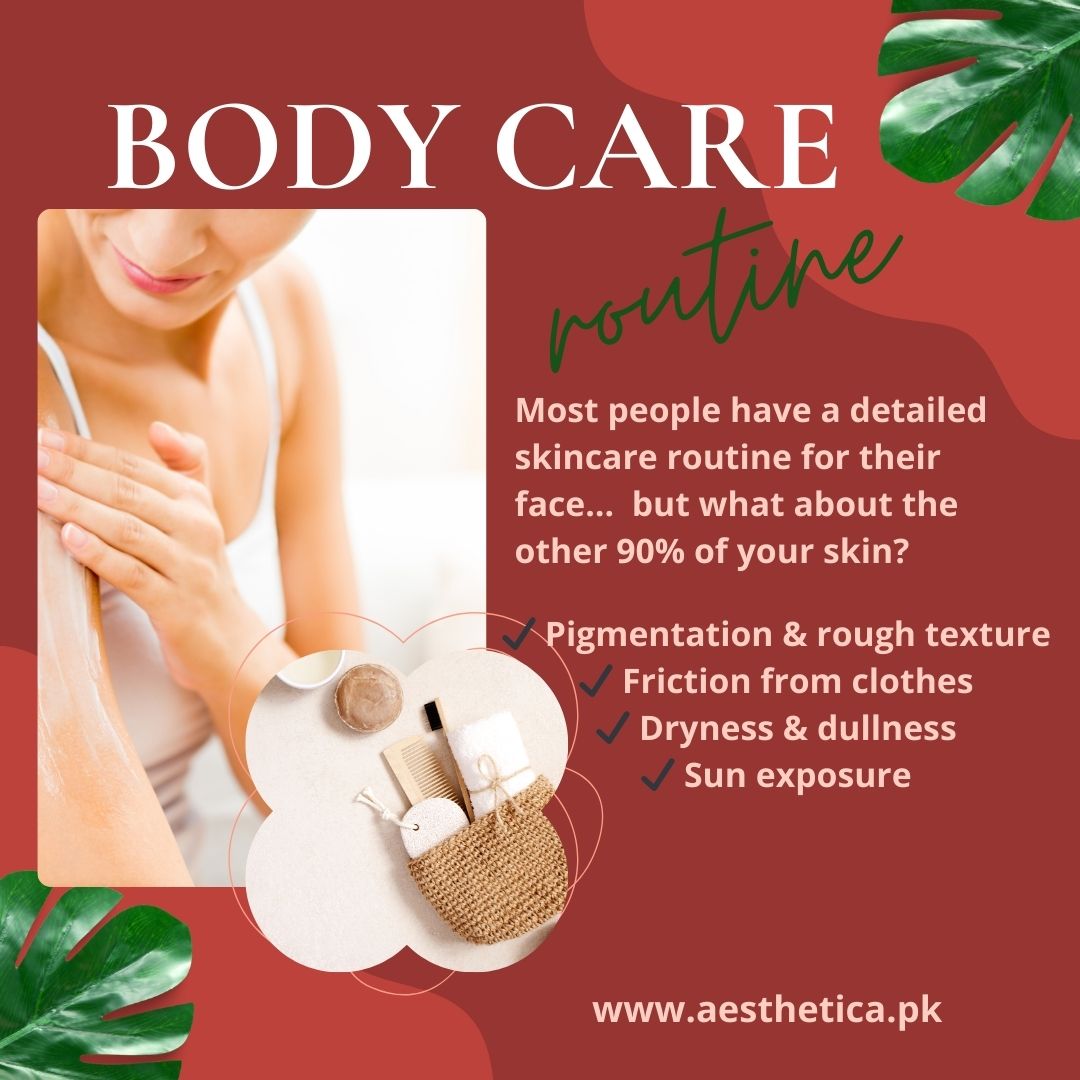
Because your body deserves the same thoughtful care as your face.
Introduction: Why We Obsess Over Face Care and Forget the Rest – Body Serums and Body Care
Open any bathroom cabinet and you’ll see the story: face cleanser, toner, essence, serum, eye cream, moisturizer, and sunscreen. We layer products with dedication—sometimes devotion—on our faces. Yet, just a few inches lower, the skin that makes up nearly 90% of our body is often treated as an afterthought. A quick soap in the shower, a hurried swipe of lotion, and we move on.
Here’s the uncomfortable truth: the skin on your body ages, dehydrates, and gets damaged just like facial skin. It faces UV exposure, pollution, friction from clothing, temperature extremes, and lifestyle stressors. It develops pigmentation, dullness, rough texture, breakouts, stretch marks, and premature aging. But instead of targeted treatments, we often rely on one-size-fits-all body lotions.
This is where body serums come in—and why they’re quietly becoming one of the most important (yet overlooked) steps in modern skincare.
In this comprehensive guide, we’ll break down:
- What body serums really are
- How they differ from lotions, creams, and oils
- Why your skin actually needs them
- How to choose the right body serum for your concerns
- How to use them correctly for visible results
Whether you’re a skincare minimalist or a routine-loving enthusiast, by the end of this article, you’ll understand why body serums are no longer optional—they’re essential.
Understanding Body Skin: Why It Needs Specialized Care – Body Serums and Body Care
Before diving into serums, it’s important to understand how body skin differs from facial skin.
Key Differences between Face and Body Skin
- Thickness
Body skin (especially on arms, legs, and back) is thicker than facial skin. This means it often needs stronger or more targeted actives to penetrate effectively. - Fewer Oil Glands
Most areas of the body produce less natural oil compared to the face, making them more prone to dryness and dehydration. - Constant Friction
Clothing, movement, shaving, waxing, and even sitting create ongoing friction, which can damage the skin barrier. - Neglect Factor
Let’s be honest—body skincare routines are rushed. Products need to absorb quickly and work efficiently.
Because of these differences, body skin benefits enormously from lightweight, concentrated formulations—exactly what serums are designed to deliver.
What Is a Body Serum?
A body serum is a lightweight, fast-absorbing skincare product formulated with high concentrations of active ingredients designed to address specific skin concerns on the body.
Think of it as the treatment step—the problem-solver—rather than just surface-level hydration.
What Makes a Body Serum Different?
- Smaller molecular structure for deeper penetration
- Higher potency of actives compared to lotions
- Water-based or gel-like texture
- Targets specific concerns like pigmentation, acne, aging, dehydration, or uneven texture
Body serums are not meant to replace moisturizers—they’re meant to supercharge them.
Body Serum vs Body Lotion vs Body Cream vs Body Oil
This is one of the most common points of confusion. Let’s clear it up once and for all.
Body Lotion
- Primarily hydrates
- Contains more water than oil
- Sits on the surface of the skin
- Great for daily, basic moisture
Body Cream
- Thicker and richer than lotion
- Better for very dry skin
- Focuses on sealing moisture
Body Oil
- Occlusive in nature
- Locks in hydration
- Adds glow and softness
- Limited active treatment benefits
Body Serum (The Game-Changer)
- Lightweight yet potent
- Delivers actives deep into the skin
- Treats specific concerns
- Enhances the effectiveness of lotions or creams applied after
In short:
- Lotion/Cream = Moisturize
- Oil = Seal
- Serum = Treat
Why Body Serums Matter More Than Ever
Modern lifestyles have changed how our skin behaves.
- Environmental Stressors
Pollution, UV radiation, blue light exposure, and climate changes affect body skin just as much as facial skin—sometimes more.
- Active Skincare Awareness
Consumers are now educated about ingredients like niacinamide, retinol, hyaluronic acid, AHA/BHA, and vitamin C—and want these benefits beyond the face.
- Skin Concerns Are No Longer Hidden
Body acne, hyperpigmentation, KP (keratosis pilaris), stretch marks, and uneven tone are openly discussed—and actively treated.
Body serums answer a simple but powerful question:
Why should only your face get the best ingredients?
Key Benefits of Using a Body Serum
- Deep Hydration Without Greasiness
Unlike heavy creams, body serums hydrate at a cellular level without leaving residue—perfect for humid climates or daytime use.
- Targeted Treatment for Real Concerns
Whether it’s dark spots on elbows, acne on the back, or crepey skin on arms—there’s a serum designed for it.
- Improved Skin Texture
Regular use can smooth rough patches, soften dry areas, and refine overall texture.
- Enhanced Results from Moisturizers
Applying a lotion over a serum seals in active ingredients, making both products more effective.
- Faster Absorption
No more waiting 10 minutes before getting dressed.
Common Skin Concerns Body Serums Can Treat
Hyperpigmentation & Uneven Tone
Caused by sun exposure, friction, shaving, and hormonal changes.
Helpful ingredients:
- Niacinamide
- Vitamin C
- Alpha arbutin
- Licorice extract
Body Acne & Breakouts
Common on the back, chest, shoulders, and buttocks.
Helpful ingredients:
- Salicylic acid (BHA)
- Niacinamide
- Zinc
- Tea tree extract
Dry, Dehydrated, or Flaky Skin
Especially common on legs, arms, and during winter.
Helpful ingredients:
- Hyaluronic acid
- Glycerin
- Panthenol
- Ceramides
Rough Texture & KP (Keratosis Pilaris)
That “chicken skin” feeling on arms and thighs.
Helpful ingredients:
- Lactic acid
- Glycolic acid
- Urea
- Salicylic acid
Aging & Loss of Firmness
Crepey skin, fine lines, and dullness aren’t limited to the face.
Helpful ingredients:
- Retinol (body-safe concentrations)
- Peptides
- Antioxidants
- Vitamin E
Star Ingredients to Look for in Body Serums
Hyaluronic Acid
A hydration hero that binds water to the skin, making it plump and smooth.
Niacinamide (Vitamin B3)
Strengthens the skin barrier, improves tone, and reduces inflammation.
Brightens skin, supports collagen production, and fights oxidative damage.
Retinol (Low Strength)
Encourages cell turnover and improves texture and firmness.
AHA & BHA Acids
Gently exfoliate, unclog pores, and smooth rough skin.
Ceramides
Repair and maintain the skin’s protective barrier.
How to Choose the Right Body Serum for Your Skin Type
For Dry Skin
Look for:
- Hyaluronic acid
- Glycerin
- Ceramides
Avoid high alcohol content.
For Oily or Acne-Prone Skin
Look for:
- Lightweight, non-comedogenic formulas
- Salicylic acid
- Niacinamide
For Sensitive Skin
Look for:
- Minimal ingredient lists
- Fragrance-free formulas
- Soothing agents like panthenol or aloe
For Mature Skin
Look for:
- Peptides
- Antioxidants
- Gentle retinol formulations
How to Use a Body Serum Correctly (Step-by-Step)
- Cleanse: Shower with a gentle body cleanser.
- Apply on Damp Skin: Slightly damp skin enhances absorption.
- Use the Right Amount: A few pumps per area are enough.
- Massage Gently: Use upward, circular motions.
- Seal with Moisturizer: Follow with a lotion or cream.
- Sun Protection (Daytime): Especially if using active ingredients.
Consistency is key—use daily unless the formula suggests otherwise.
Morning vs Night: When Should You Use Body Serums?
Morning Use
Best for:
- Hydrating serums
- Brightening formulas
- Lightweight textures
Night Use
Best for:
- Retinol-based serums
- Exfoliating acids
- Repair-focused treatments
You can even use different serums for AM and PM, just like facial skincare.
Common Myths About Body Serums
“They’re unnecessary.”
If treatment serums are essential for the face, they’re just as important for the body.
“They’re too expensive.”
A little goes a long way—and targeted treatment often reduces the need for multiple products.
“Lotions do the same thing.”
Lotions moisturize. Serums treat. Different roles, different results.
Building a Simple but Effective Body Serum Routine
Minimalist Routine:
- Cleanser
- Body serum
- Moisturizer
Advanced Routine:
- Cleanser
- Exfoliating body serum (2–3x weekly)
- Hydrating or treatment serum
- Moisturizer
- SPF (daytime)
Why Body Serums Are the Future of Skincare
The skincare industry is moving toward personalization, performance, and purpose. Body serums tick all three boxes.
They allow:
- Customized treatment
- Better ingredient delivery
- Visible, long-term results
As awareness grows, body serums are no longer a luxury—they’re becoming a standard.
Final Thoughts: Don’t Let Your Skincare Stop at Your Neck
Your skin doesn’t end at your jawline, and your skincare shouldn’t either.
Body serums bridge the gap between basic hygiene and intentional self-care. They acknowledge that your body skin deserves the same respect, science, and strategy as your face.
So the next time you reach for a lotion, pause—and ask yourself:
What am I doing to actually treat my body skin?
Because once you start using a body serum, going back feels impossible.
Healthy skin is holistic—and body serums are the missing piece most people never knew they needed.