
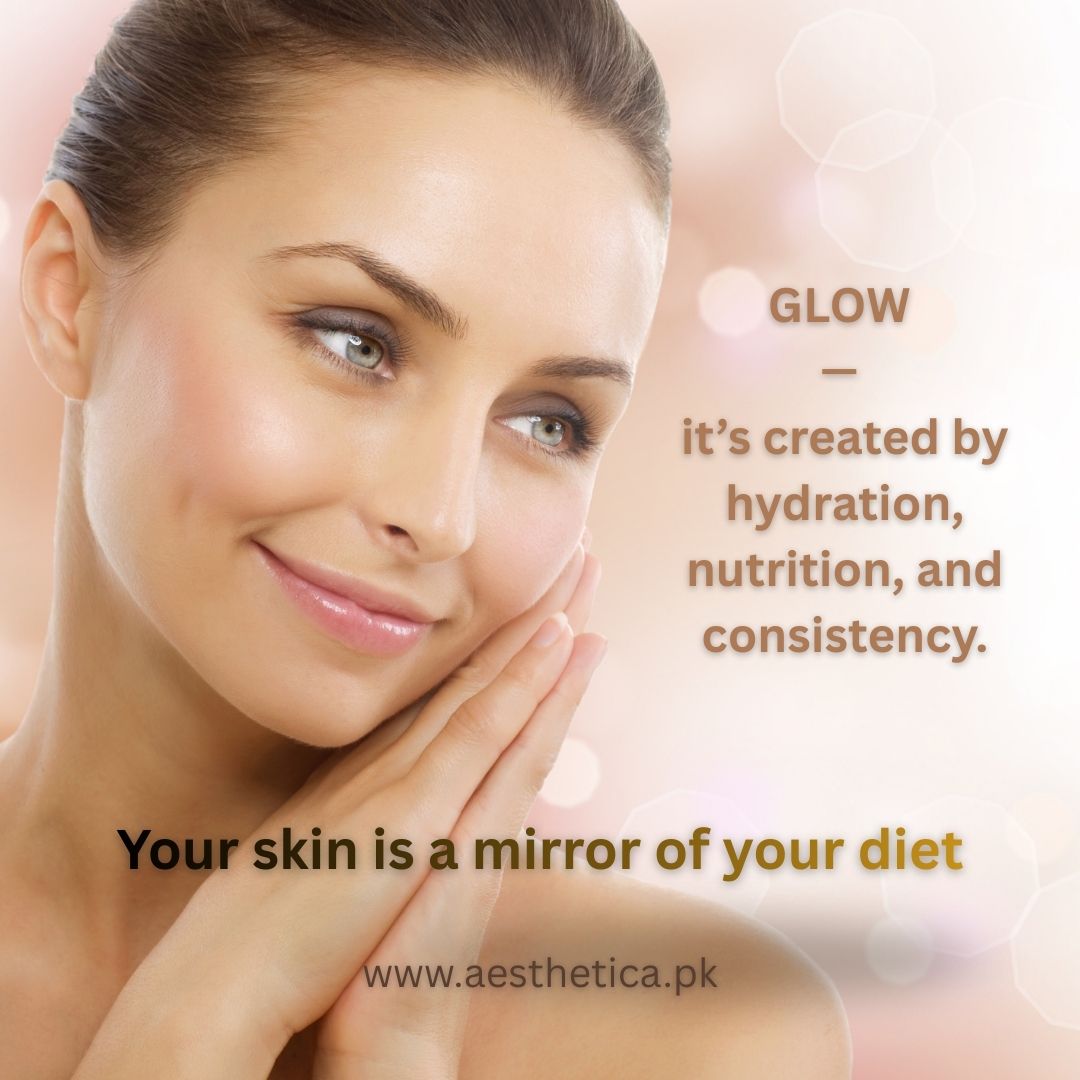
Introduction: Skincare Is More Than Serums – Diet, Hydration & Glowing Skin
We often search for the perfect serum, the most effective sunscreen, or the newest anti-aging cream. We invest in routines, layering products carefully each morning and night. But here’s the truth many people overlook:
Your skin reflects what’s happening inside your body.
If your diet lacks nutrients, if you are dehydrated, if your gut health is compromised — your skin will show it. Dullness, acne, premature aging, pigmentation, dryness — these are not always surface problems. Often, they are internal signals.
Glowing skin is not created only by what you apply. It is nourished by what you consume.
In this detailed guide, we’ll explore:
- The science behind diet and skin health
- How water impacts skin structure and glow
- Nutrients essential for healthy skin
- Foods that brighten your complexion
- Foods that damage skin
- The gut-skin connection
- Hydration myths and truths
- A practical daily eating guide for radiant skin
Let’s begin your journey to glowing from within.
Understanding Skin: Why Nutrition Matters
Your skin is the largest organ of your body. It performs multiple vital functions:
- Protects against environmental damage
- Prevents dehydration
- Regulates temperature
- Supports immune defense
- Produces vitamin D
The skin is constantly regenerating. Every 28–40 days, new skin cells replace old ones. This process requires:
- Protein
- Healthy fats
- Vitamins
- Minerals
- Water
If your body lacks these nutrients, skin cell turnover slows down. Collagen production decreases. Repair processes weaken. The result? Dull, tired, and aging skin.
The Role of Water in Skin Health
Why Hydration Is Essential

Water makes up approximately 60% of the human body. It supports:
- Nutrient transport
- Detoxification
- Blood circulation
- Cellular repair
- Skin elasticity
When you are dehydrated, your body prioritizes vital organs over skin. As a result, your skin may appear:
- Dull
- Tight
- Flaky
- More wrinkled
- Uneven
Hydrated skin, on the other hand, appears:
- Plump
- Smooth
- Elastic
- Radiant
How Much Water Do You Really Need?
The “8 glasses a day” rule is general advice. Your actual requirement depends on:
- Body weight
- Climate (important in Pakistan’s hot weather)
- Physical activity
- Diet (water-rich foods reduce need slightly)
A practical formula:
30–35 ml of water per kg of body weight daily.
Example:
If you weigh 70 kg → 2.1 to 2.5 liters per day.
For those with diabetes or hypertension (as many adults have), maintaining hydration becomes even more important for circulation and skin healing.
Essential Nutrients for Glowing Skin
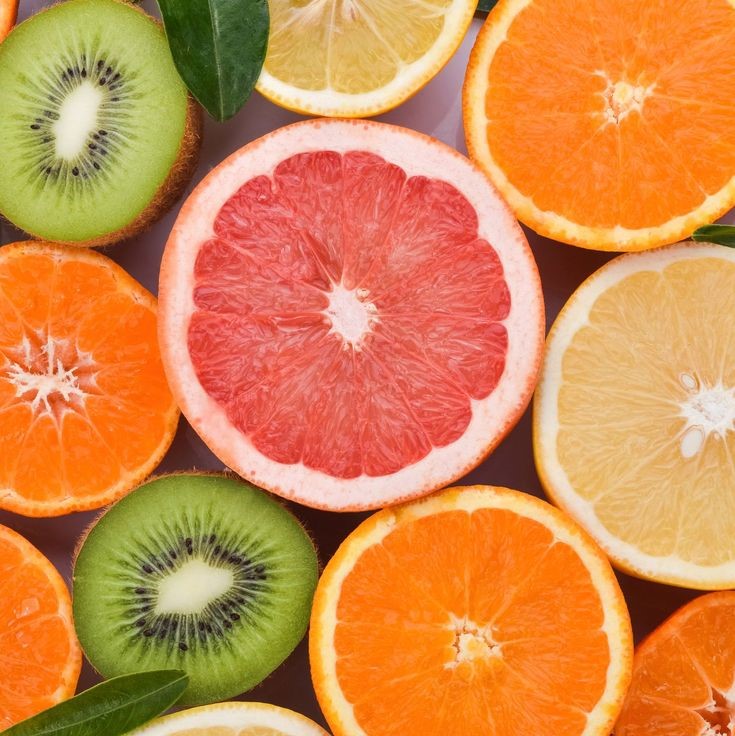
Vitamin C – The Brightening Hero
- Boosts collagen production
- Fights free radicals
- Reduces pigmentation
- Improves skin firmness
Sources:
- Oranges
- Guava (very high content)
- Lemon
- Strawberries
- Bell peppers
Without enough vitamin C, skin becomes saggy and dull.
Vitamin A – Skin Renewal Regulator
Sources:
- Carrots
- Sweet potatoes
- Spinach
- Eggs
Vitamin A supports cell turnover and prevents clogged pores. It also reduces acne severity when balanced properly.
Vitamin E – Skin Protector
Sources:
- Almonds
- Sunflower seeds
- Avocado
- Olive oil
It protects against oxidative damage and improves skin moisture retention.
Omega-3 Fatty Acids – Anti-Inflammatory Support
Omega-3 helps:
- Reduce acne inflammation
- Strengthen skin barrier
- Prevent dryness
- Slow premature aging
Sources:
- Fatty fish
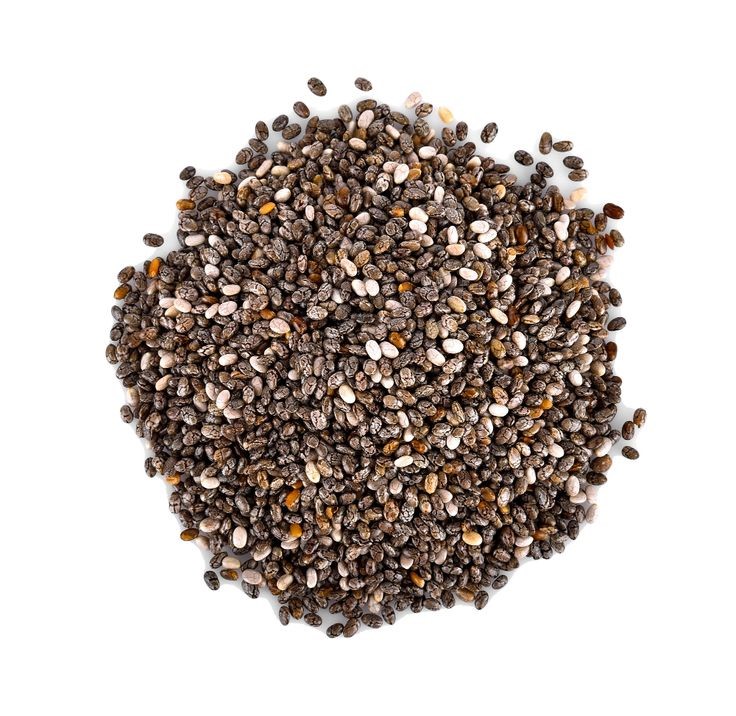
- Chia seeds
- Flaxseeds
- Walnuts
Zinc – Acne Control Mineral
- Controls oil production
- Reduces acne bacteria
- Supports wound healing
Sources:
- Pumpkin seeds
- Lentils
- Chickpeas
- Meat
The Gut-Skin Connection
Modern research shows a strong link between gut health and skin conditions such as:
- Acne
- Rosacea
- Eczema
- Psoriasis
An unhealthy gut causes inflammation, which triggers skin breakouts.
Signs Your Gut May Be Affecting Your Skin
- Frequent bloating
- Irregular bowel movements
- Chronic acne
- Skin redness
Improve Gut Health With:
- Yogurt (with live cultures)
- Kefir
- Fermented foods
- Fiber-rich vegetables
- Whole grains
Balanced gut = calmer, clearer skin.
Foods That Promote Clear, Glowing Skin
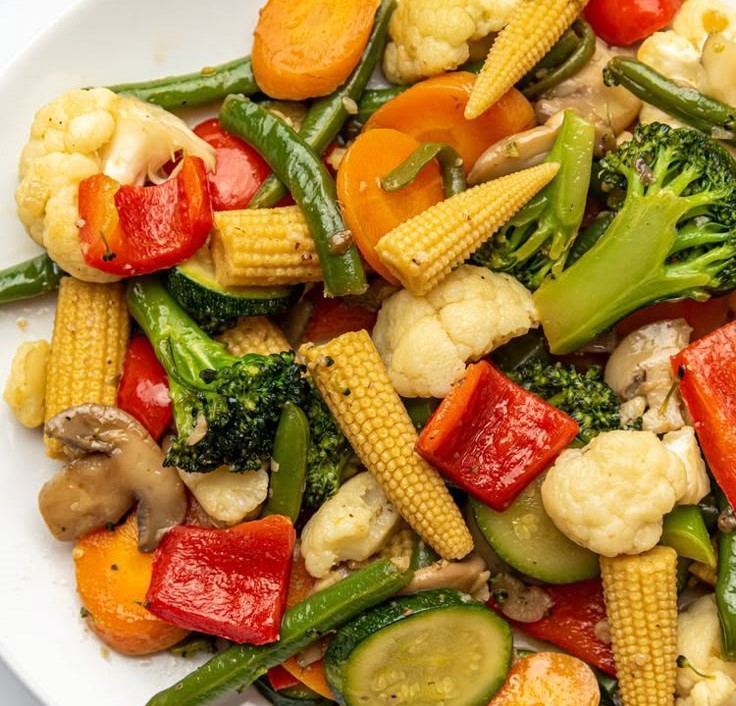
Best Skin-Friendly Foods
- Leafy greens
- Berries
- Nuts and seeds
- Fatty fish
- Avocados
- Cucumbers
- Tomatoes
- Green tea
These provide antioxidants, hydration, fiber, and healthy fats.
Foods That Damage Your Skin
To glow from within, you must also reduce:
- Excess sugar
- Refined flour
- Deep fried foods
- Processed snacks
- Sugary drinks
- Excess dairy (for acne-prone individuals)
High sugar increases glycation, which damages collagen and accelerates wrinkles.
Can Diet Reduce Acne?
Yes — especially when acne is linked to:
- High sugar intake
- High glycemic foods
- Poor gut health
- Inflammation
A low glycemic diet improves acne severity over time.
Collagen and Diet: Can Food Boost It?
Collagen decreases with age. Nutrients that support collagen:
- Vitamin C
- Protein
- Zinc
- Copper
- Bone broth
Remember: Collagen supplements help, but natural food sources also support production effectively.
Hydration Beyond Water
Hydration includes:
- Coconut water
- Herbal teas
- Water-rich fruits
- Soups
- Fresh vegetables
Cucumber and watermelon are excellent summer options in Pakistan’s climate.
Practical Daily Glow Diet Plan
Morning
- Warm water + lemon
- Eggs or oats with nuts
- Fresh fruit
Midday
- Salad with olive oil
- Lentils or grilled chicken
- Brown rice or whole wheat roti
Evening
- Green tea
- Handful of almonds
Dinner
- Light meal
- Vegetables + protein
- Avoid heavy fried foods
Before Bed
- Hydrate lightly
- Avoid sugary desserts
Lifestyle Factors That Affect Skin
Even the best diet fails if:
- Sleep is poor
- Stress is high
- Smoking exists
- Sun protection is ignored
Healthy skin requires a holistic approach.
Common Myths About Diet and Skin
Myth 1: Chocolate always causes acne.
Reality: Excess sugar and dairy matter more.
Myth 2: Drinking more water cures wrinkles.
Reality: It improves hydration but cannot reverse aging.
Myth 3: Detox juices cleanse skin instantly.
Reality: Liver and kidneys already detox naturally.
How Long Does It Take to See Results?
Diet changes show visible skin improvement in:
- 2–4 weeks for hydration
- 4–8 weeks for acne reduction
- 8–12 weeks for glow and texture improvement
Consistency matters more than perfection.
The Inside–Outside Skincare Approach
Topical skincare + internal nutrition = maximum glow.
For example:
- Vitamin C serum externally
- Vitamin C-rich foods internally
That synergy enhances results.
This is where brands like AESTHETICA can educate customers about combining topical and nutritional support for optimal results.
Final Thoughts: True Glow Is Built, Not Filtered
Healthy skin is not a miracle. It is a reflection of daily choices:
- What you eat
- What you drink
- How you sleep
- How you manage stress
Skincare products enhance your glow.
Nutrition sustains it.
If you truly want radiant, resilient, youthful skin — begin from within.
Because the most powerful beauty secret is not in a bottle.
It’s on your plate and in your glass.