Introduction: Healthy Scalp for Hair Growth: Causes, Tips & Solutions
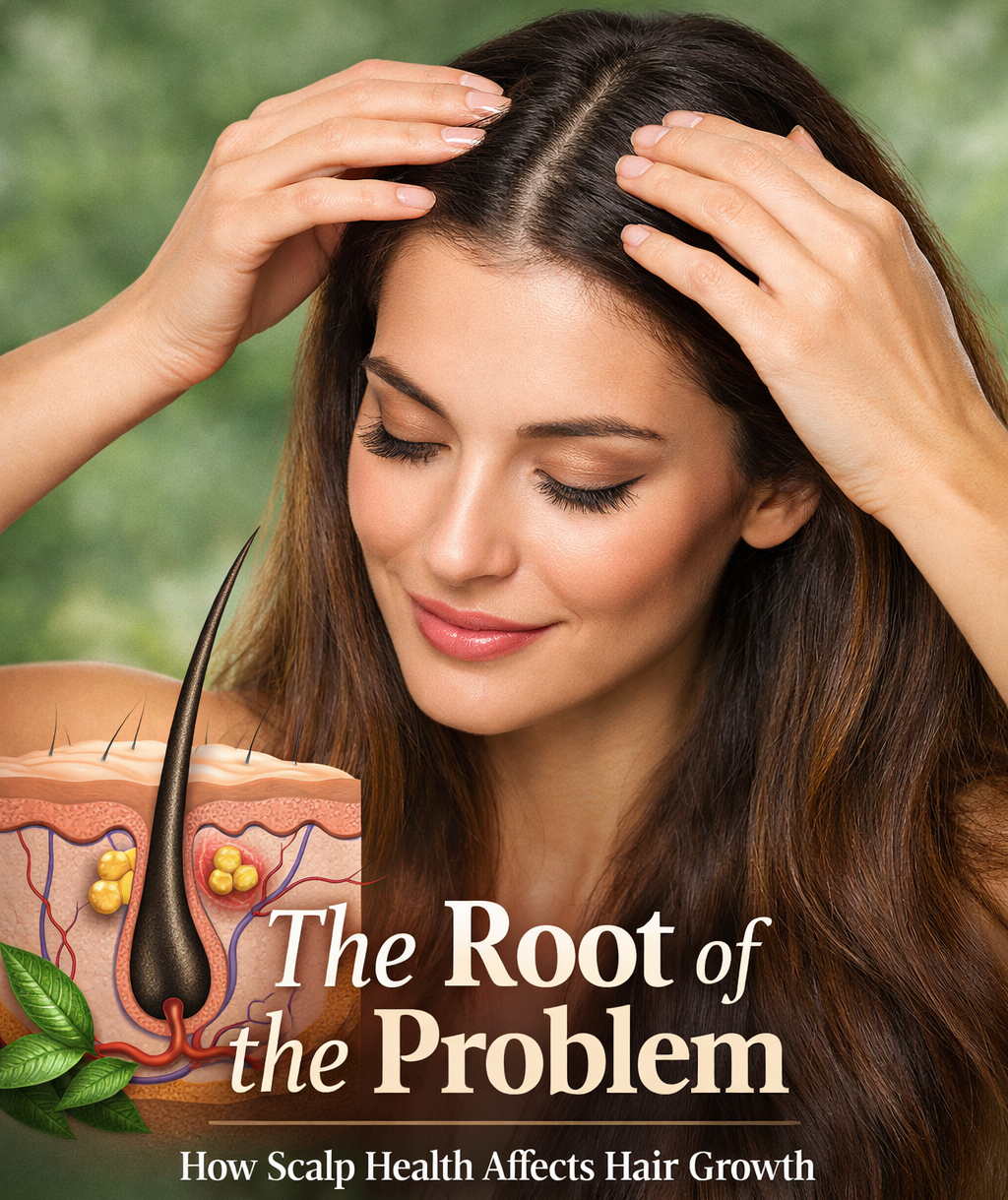
When people think about hair care, they usually focus on the strands they can see. We invest in shampoos, conditioners, serums, oils, masks, and styling products in hopes of achieving shiny, thick, beautiful hair. But what if the real secret to healthy hair isn’t the hair itself?
The truth is simple: healthy hair begins with a healthy scalp.
Your scalp is essentially the soil where your hair grows, much like fertile soil supports strong plants. If the soil is unhealthy—dry, clogged, inflamed, or infected—no plant will grow well. The same principle applies to your hair follicles.
Healthy Scalp for Hair Growth
Unfortunately, scalp care is often overlooked. Many people struggle with issues like:
- Hair thinning
- Hair fall
- Slow hair growth
- Dandruff
- Itchy scalp
- Excess oil or dryness
Most treatments focus on repairing damaged hair strands instead of addressing the root cause: scalp health.
In this comprehensive guide, we will explore:
- Why scalp health is critical for hair growth
- How hair follicles function
- Common scalp problems affecting hair growth
- Signs of an unhealthy scalp
- Daily habits that damage scalp health
- The role of nutrition in scalp wellness
- Best scalp care routines
- Ingredients that support healthy hair growth
By the end of this article, you’ll understand why taking care of your scalp is the most powerful step toward stronger, thicker, and healthier hair.
Understanding the Science of Hair Growth
The Hair Growth Cycle
Hair does not grow continuously. Instead, it follows a natural cycle consisting of three main phases.
- Anagen Phase (Growth Phase)
This is the active growth stage of hair.
During this phase:
- Hair follicles actively produce new hair fibers.
- Hair grows about 1 to 1.5 cm per month.
- The phase lasts 2 to 7 yearsdepending on genetics.
Around 85–90% of your hair is in the anagen phase at any given time.
The longer this phase lasts, the longer your hair can grow.
- Catagen Phase (Transition Phase)
This phase is short and transitional.
- Hair growth stops.
- Hair follicles shrink slightly.
- The phase lasts about 2–3 weeks.
Only about 1% of hair is in this phase.
- Telogen Phase (Resting Phase)
This is the resting and shedding phase.
- Hair stops growing.
- The follicle rests for about 3 months.
- Old hair eventually falls out.
Normally, losing 50–100 hairs daily is completely natural.
However, when scalp health deteriorates, more hair enters the telogen phase prematurely, leading to excessive hair fall.
Why Scalp Health Is Essential for Hair Growth
Your Scalp Is Living Skin
Your scalp is not just a surface for hair to grow from—it is living skin containing thousands of hair follicles, oil glands, blood vessels, and nerve endings.
These structures work together to:
- Nourish hair follicles
- Deliver oxygen and nutrients
- Produce protective oils
- Maintain a healthy microbial balance
When the scalp environment is balanced, follicles produce strong, thick hair strands.
But when the scalp becomes unhealthy, follicles weaken.
Healthy Scalp For Hair Growth : The Role of Blood Circulation
Hair follicles rely on blood circulation to receive nutrients for healthy scalp for hair growth:
Poor circulation can result in:
- Slow hair growth
- Weak hair roots
- Thinning hair
A healthy scalp allows proper circulation, which ensures follicles receive essential nutrients like:
- Iron
- Zinc
- Vitamin D
- Biotin
- Amino acids
Scalp massages, gentle exfoliation, and proper hydration help improve circulation for healthy scalp for hair growth.
Natural Oils Protect Hair
Sebaceous glands in the scalp produce sebum, a natural oil that:
- Moisturizes the scalp
- Protects hair strands
- Prevents dryness
- Maintains scalp barrier function
Too little sebum leads to dryness and flaking, while too much sebum can cause clogged follicles and dandruff.
Balance is key.
Common Scalp Problems That Affect Hair Growth
Dandruff and Flaky Scalp
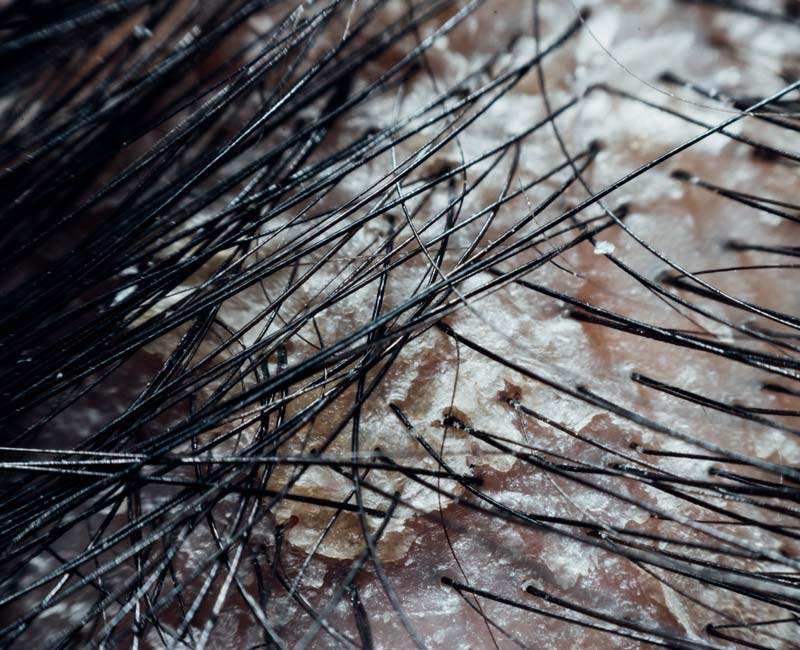
Dandruff is one of the most common scalp conditions worldwide.
It occurs when the scalp sheds excessive dead skin cells.
Symptoms include:
- White flakes
- Itching
- Irritation
- Dry scalp patches
Severe dandruff can weaken hair roots because inflammation around follicles disrupts normal hair growth.
Oily Scalp and Clogged Hair Follicles
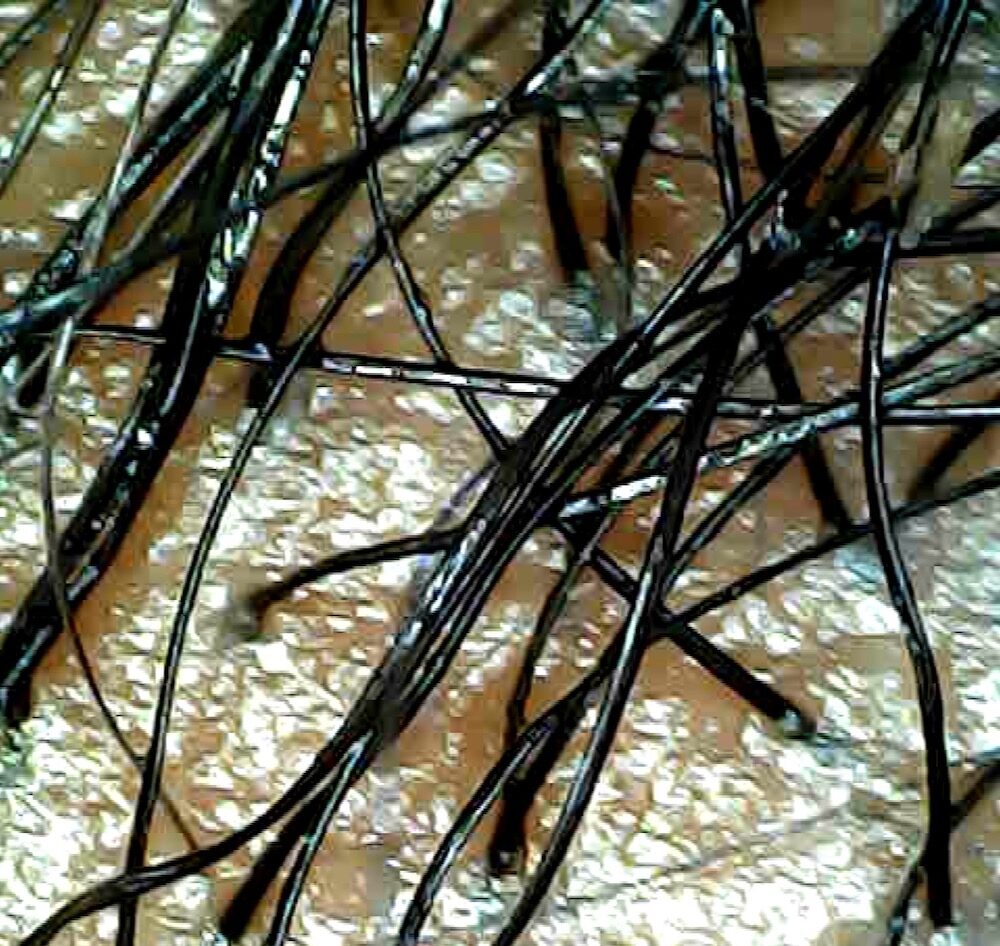
An oily scalp produces excess sebum.
While sebum protects hair, too much oil can:
- Trap dirt and bacteria
- Block follicles
- Trigger scalp acne
- Increase dandruff risk
Clogged follicles cannot produce healthy hair efficiently.
Scalp Inflammation
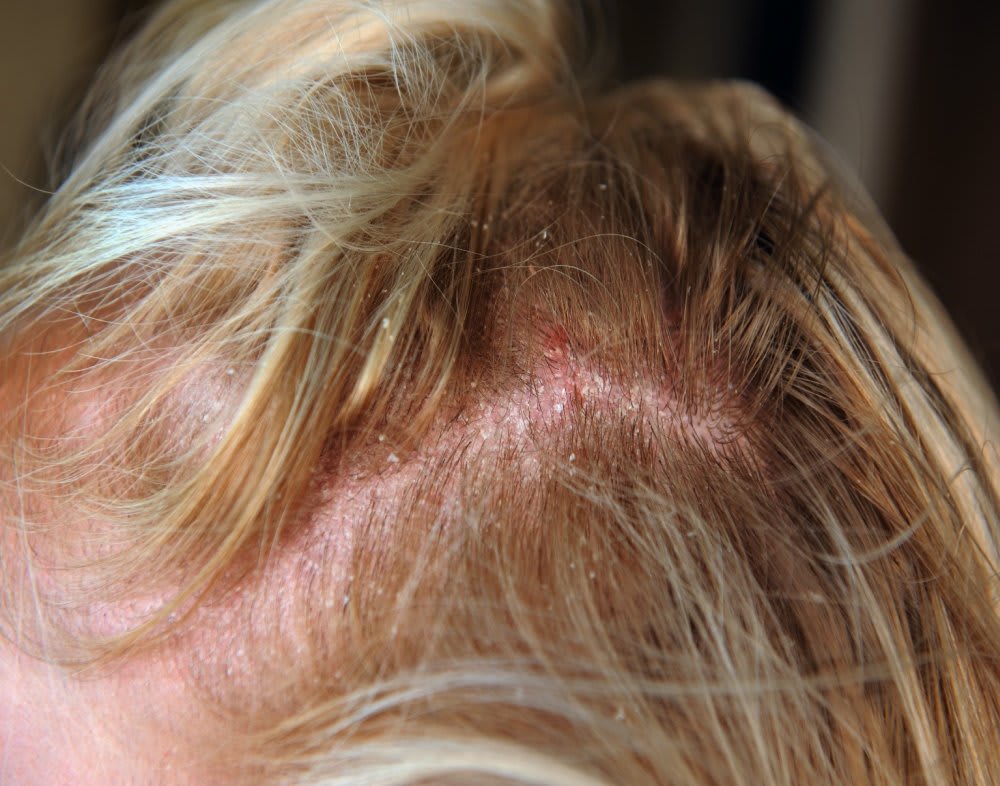
Inflammation is a major cause of hair thinning.
Conditions like:
- Seborrheic dermatitis
- Psoriasis
- Allergic reactions
can damage follicles and slow hair growth.
Inflamed follicles struggle to maintain the normal growth cycle.
Product Buildup on the Scalp
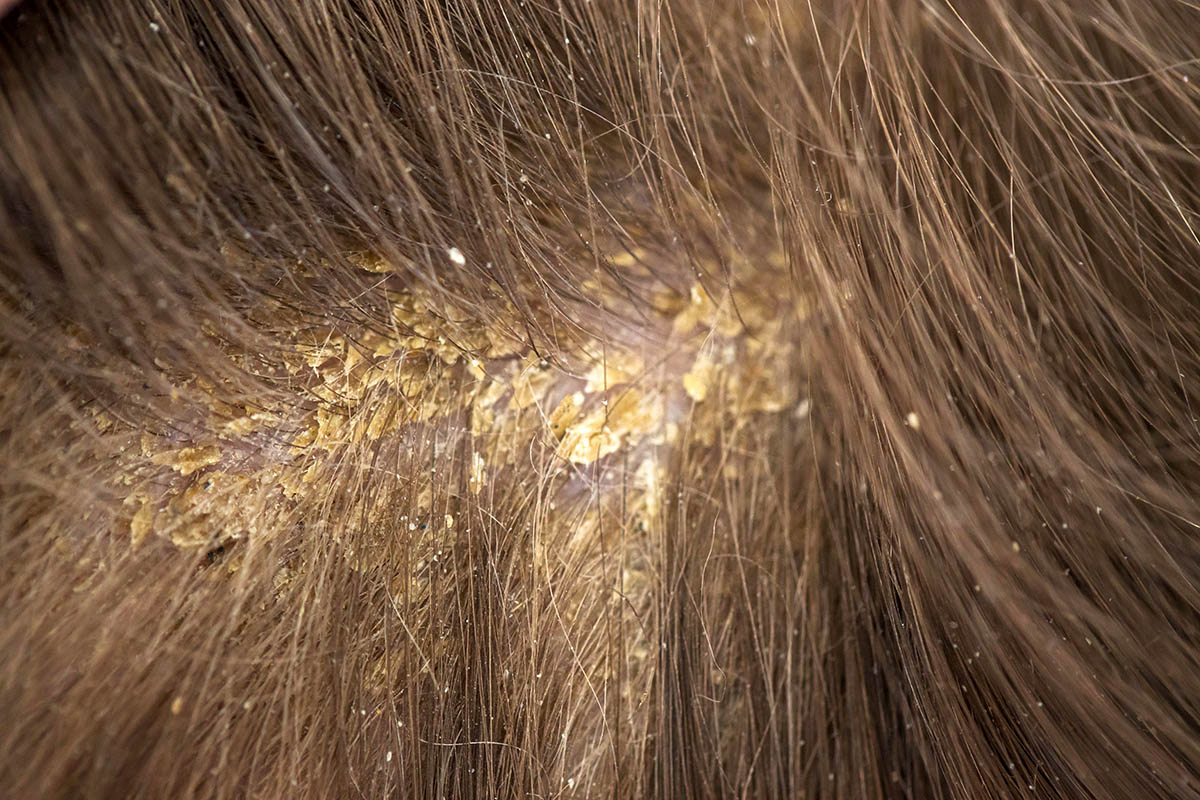
Modern hair routines involve many products:
- Dry shampoo
- Hair spray
- Styling gels
- Conditioners
- Oils
Over time, residue accumulates on the scalp.
This buildup can:
- Block follicles
- Prevent oxygen from reaching roots
- Cause itching and irritation
Regular scalp cleansing is essential for healthy scalp for hair growth.
Signs Your Scalp Is Unhealthy
Many people do not realize their scalp needs attention until hair problems appear.
Common signs of poor scalp health include:
Persistent Itching
Frequent itching may indicate:
- Dandruff
- Fungal imbalance
- Dry scalp
Excess Hair Shedding
Hair fall during washing or brushing can increase when scalp health declines.
Greasy Hair Soon After Washing
An overactive sebaceous gland can signal scalp imbalance.
Flakes on Shoulders
Visible flakes often mean the scalp barrier is compromised.
Tight or Dry Feeling
Dry scalp skin lacks moisture and essential oils.
Recognizing these signs early can help prevent serious hair thinning.
Lifestyle Habits That Damage Your Scalp
Overwashing Your Hair
Washing hair too frequently strips natural oils.
This can cause:
- Dry scalp
- Increased oil production
- Irritation
For most people, washing hair 2–3 times per week is sufficient.
Using Harsh Hair Products
Shampoos containing strong sulfates can disrupt scalp balance.
Gentler formulas help maintain healthy scalp for hair growth.
Look for ingredients such as:
- Aloe vera
- Panthenol
- Niacinamide
- Hyaluronic acid
Heat Styling Damage
Excessive heat from:
- Hair dryers
- Straighteners
- Curling irons
can irritate the scalp and weaken follicles.
Always use heat protection.
Stress and Hair Loss
Stress plays a significant role in hair health.
Chronic stress can push hair follicles into the telogen phase, causing sudden hair shedding.
This condition is known as telogen effluvium.
Relaxation techniques, sleep, and exercise help maintain healthy hair cycles and healthy scalp for hair growth.
Nutrition and Scalp Health
Healthy hair growth begins inside the body.
Your scalp needs specific nutrients to maintain healthy follicles.
Protein for Hair Structure
Hair is primarily made of keratin, a protein.
Low protein intake can weaken hair growth.
Good sources include:
- Eggs
- Fish
- Lentils
- Chickpeas
- Chicken
for healthy scalp for hair growth
Iron and Hair Growth
Iron deficiency is one of the leading causes of hair thinning.
Iron helps red blood cells deliver oxygen to follicles.
Iron-rich foods include:
- Spinach
- Red meat
- Beans
- Pumpkin seeds
Omega-3 Fatty Acids
Omega-3 supports scalp hydration and reduces inflammation for healthy scalp for hair growth.
Sources include:
- Walnuts
- Flax seeds
- Fatty fish
Vitamins for Hair Follicles
Important vitamins include:
- Vitamin D
- Vitamin B7 (Biotin)
- Vitamin A
- Vitamin E
A balanced diet ensures follicles receive everything they need for healthy scalp for hair growth
The Importance of Scalp Care in Modern Hair Routines for Healthy Scalp for Hair Growth
Just like skincare routines focus on cleansing, exfoliation, and hydration, scalp care requires similar steps.
Ignoring scalp care while focusing only on hair strands is a common mistake.
A healthy scalp routine includes:
- Gentle cleansing
- Regular exfoliation
- Hydration and nourishment
- Protection from buildup
These steps maintain a balanced scalp environment.
The Best Scalp Care Routine for Healthy Hair Growth: Healthy Scalp for Hair Growth
Step 1: Gentle Cleansing
Choose sulfate-free shampoos that cleanse without stripping natural oils.
Massage the scalp gently while washing to improve circulation.
Step 2: Scalp Exfoliation
Just like facial skin, the scalp benefits from exfoliation.
Exfoliation removes:
- Dead skin cells
- Oil buildup
- Product residue
This allows follicles to breathe and grow healthy hair.
Step 3: Hydration and Nourishment
A hydrated scalp supports stronger follicles.
Ingredients that help include:
- Hyaluronic acid
- Aloe vera
- Niacinamide
- Peptides
Scalp serums are increasingly popular because they deliver nutrients directly to follicles.
Step 4: Regular Scalp Massage
Massaging the scalp increases blood flow.
Benefits include:
- Improved nutrient delivery
- Reduced stress
- Better hair growth support
Even 5 minutes daily can make a difference.
Key Ingredients That Support Scalp Health: healthy scalp for hair growth
Modern hair care products are increasingly focusing on scalp-targeting ingredients.
Some of the most effective include:
Niacinamide
Supports scalp barrier function and reduces inflammation.
Hyaluronic Acid
Hydrates scalp skin and prevents dryness.
Tea Tree Oil
Has antimicrobial properties that help reduce dandruff.
Peptides
Support stronger hair follicles.
Caffeine
May stimulate follicles and support hair growth.
These ingredients work best when used consistently.
Why Scalp Serums Are Becoming Essential
Hair serums were traditionally used only on hair strands.
However, scalp serums are now one of the fastest-growing categories in hair care.
Unlike oils, lightweight serums:
- Absorb quickly
- Deliver active ingredients
- Do not clog follicles
They help nourish the scalp without leaving heavy residue.
Natural Ways to Improve Scalp Health
If you prefer natural solutions, several home practices can support for healthy scalp for hair growth.
Aloe Vera Treatment
Aloe vera soothes irritated scalp and hydrates skin.
Coconut Oil Massage
Coconut oil can help nourish dry scalp skin.
Apple Cider Vinegar Rinse
ACV helps restore scalp pH balance and remove buildup.
However, natural remedies should be used carefully and not excessively for healthy scalp for hair growth
Scalp Health and Aging
As we age, scalp conditions change.
Hair follicles may shrink, producing thinner hair strands.
Sebum production also decreases, leading to dryness.
Aging scalp care should focus on:
- Hydration
- Gentle cleansing
- Nutrient-rich treatments
Supporting scalp health can slow visible hair thinning for healthy scalp for hair growth
Myths About Scalp Health and Hair Growth
Myth 1: Hair Oils Alone Can Fix Hair Loss
Oils may nourish hair but cannot solve deeper scalp problems like inflammation or nutrient deficiency.
Myth 2: Washing Hair Causes Hair Fall
Hair that falls during washing was already in the shedding phase.
Washing simply releases it.
Myth 3: Dandruff Means Dry Scalp
In many cases dandruff occurs due to excess oil and yeast imbalance, not dryness.
Building a Scalp-First Hair Care Routine
A scalp-focused routine might include:
Morning:
- Gentle brushing
- Leave-in scalp serum
Evening:
- Scalp massage
- Light nourishing treatment
Weekly:
- Deep scalp cleansing
- Exfoliation
Consistency matters more than expensive products for healthy scalp for hair growth
Final Thoughts: Healthy Hair Begins Beneath the Surface
Hair growth is not just about the products you apply to your hair strands.
It begins beneath the surface—within the scalp itself.
When your scalp is balanced, nourished, and healthy, hair follicles can perform their natural function effectively.
Healthy scalp conditions support:
- Stronger hair roots
- Reduced hair fall
- Faster hair growth
- Thicker, shinier hair
Instead of focusing only on repairing damaged hair, shifting attention to scalp health can transform your entire hair care routine.
Think of your scalp as the foundation of healthy hair.
When the foundation is strong, beautiful hair naturally follows.
-
Face Care
CeraVe 4-in-1 Skincare Bundle: Night Cream, Sunblock, Cleanser & Serum for Radiant Skin – ORIGINAL
Original price was: ₨ 3,700.₨ 2,450Current price is: ₨ 2,450. Add to cart -
Face Care
CeraVe Acne Control Cleanser | 2% Salicylic Acid Gel-to-Foam Face Wash for Oily & Acne-Prone Skin – Imported
Original price was: ₨ 7,999.₨ 4,450Current price is: ₨ 4,450. Add to cart